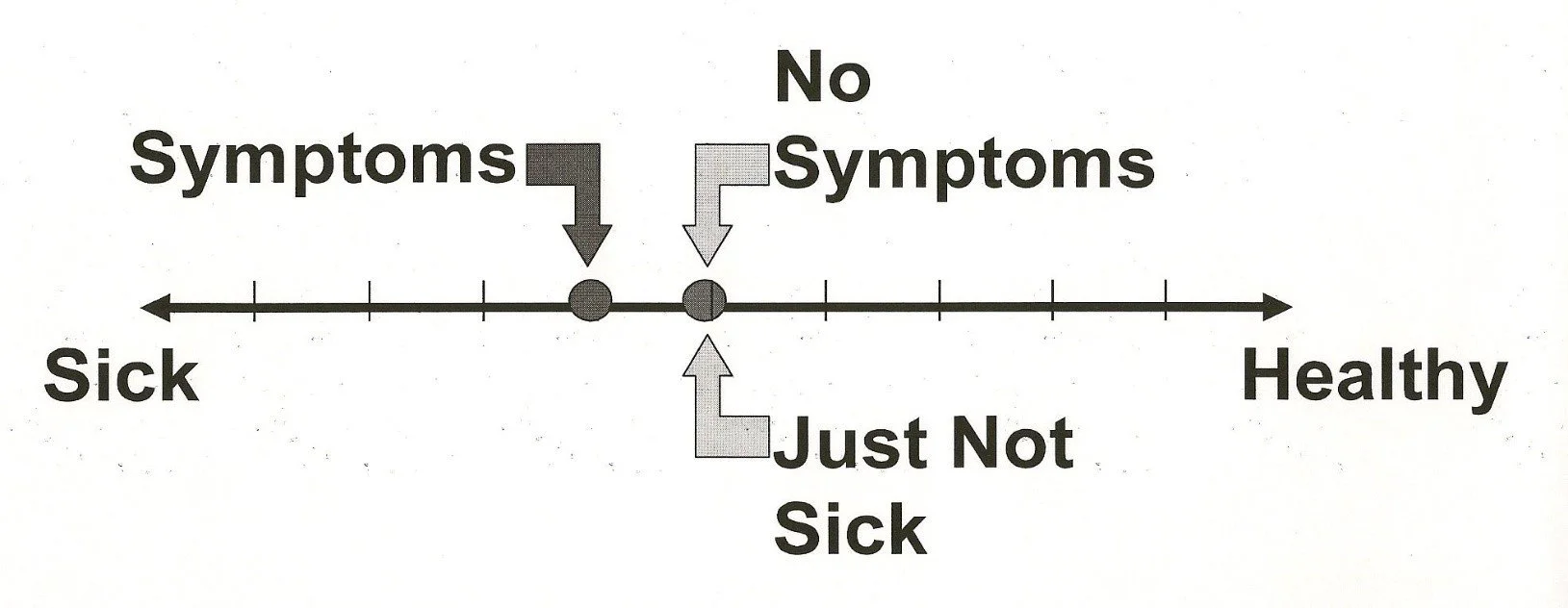
Each month we provide a health tip, focusing on information and activities that can enhance your health and longevity. As you read, keep in mind the graph below, that your health is on a continuum, where not being sick does not necessarily mean you have optimum health. We are all on this road of life together, so happy traveling.
POWER LAW #3 (PART 3)
July, ‘26

Supplements… filling the gaps wisely.
Supplements can be helpful, but they work best as a complement to healthy habits, not a substitute for them. A nutrient-rich diet, regular exercise, quality sleep, stress management, and hydration should always come first. Choose supplements thoughtfully, focus on quality, and remember, supplements are exactly what their name implies… a supplement to a healthy lifestyle.
When it comes to supplements, I loosely divide them into two (2) classes… 1) health and 2) medicinal. For health, I always recommend a whole-food multiple, and the best I have found is Catalyn by Standard Process (my daughter started taking Catalyn at 2 years of age).

Catalyn is a whole food-base multiple supplement designed to provide a broad spectrum of vitamins, minerals, and phytonutrients from food concentrates.
People tend to “bounce around” when it comes to supplements, trying this one and then that one. It is best to work on having a good diet and adding a whole-food multiple… period.
When it comes to “medicinal,” there are two (2) options. You can be tested with a technique called NRT (Nutritional Response Technique) which is a neurological/muscle test, that I do regularly in the office, to determine what deficiencies the body systems may be experiencing. The other option is a blood test to determine what the body may need to help it along.
I am not particularly endorsing any particular blood testing facilities, but a few are Rythm blood test (rythmhealth.com), SiPhox blood test (siphoxhealth.com), and The Ultimate Human blood test (theultimatehuman.com). The first two (2) are relatively inexpensive, while the third (3rd) is quite expensive, running into the hundreds of dollars (over a thousand dollars in some cases), but is much more comprehensive.
In summary, it is best not to jump around with supplements… especially if you expect any meaninful results. Focus on diet, take a whole-food multiple and THEN, and only then, intelligently expand utilizing more than a guess. Either utilize Nutritional Response Testing or utilize a blood test, which needs to include recommendations based on the results.
POWER LAW #3 (PART 2)
June, ‘26

H2…OH! Your Guide to Better Hydration.
When it comes to hydration, there isn’t a single amount that is right for everyone, because hydration needs depend on body size, activity level, climate, diet, and overall health.
However, a general target is:
Women: 2.7 liters (approximately 11 cups) of total water per day.
Men: 3.7 liters (approximates 16 cups) of total water per day.
These totals include water from beverages and food, with food typically providing about 20% of daily water intake.
The best way to judge whether you’re well hydrated is not by chasing a specific number, but by monitoring:
Urine that is pale yellow (not clear all the time, and not dark).
Minimal thirst throughout the day.
Stable body weight from day to day (outside of exercise-related losses).
Good exercise performance and recovery.
Also, hydration is about more than drinking water, as it is important to include electrolytes (the basic ones being Sodium, Potassium, & Magnesium) along with the water.
So, here are the health tips:
Start the day with water (consider adding citrus or other flavorings if it helps increase intake).
Eat plenty of water-rich fruits and vegetables.
Avoid relying heavily on sugary drinks for hydration.
Add a few electrolytes to water.
Check the color of your urine from time to time.
power law #3
May, ‘26
Oh My… What to Eat?
Nothing stirs emotions more than what foods you should and should not eat. Food and emotions are deeply intertwined. From childhood memories to strong cultural identities, what we eat is tied to our deepest beliefs, morals, and even our biology. This is exactly why dietary advice—like whether to go plant-based, keto, or omnivore—sparks such fierce debates.
In the words of John Henry Newman (a 19th-century English clergyman and philosopher), “We can believe what we choose. We are answerable for what we choose to believe."
Because the food-mood connection is so powerful, the best "diet" is often a hyper-personalized, mindful approach rather than a rigid set of rules. So, to start the discussion on Power Law #3 (Power Law #1 is sleep, Power Law # 2 is movement/exercise), here are a set of “loose rules.”
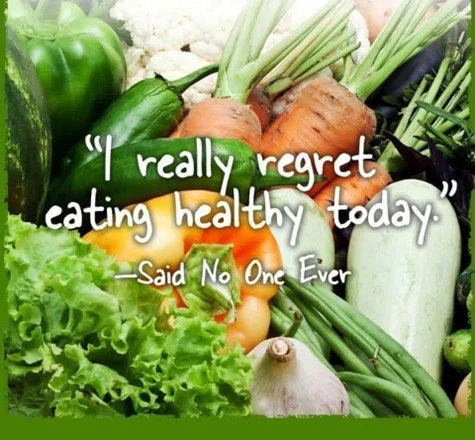
1. Eat “real food.” Real food is whole, single-ingredient food that is minimally processed and remains as close to its natural state as possible. It contains no added chemicals, artificial flavors, or synthetic preservatives, and consists of ingredients you would traditionally use in a home kitchen.
2. Aim for 2/3 gram of protein per pound of IDEAL bodyweight. This would include foods such as eggs, beef, chicken, turkey, and fish (especially fatty fish such as salmon).
3. Consume 2-4 cups a day of vegetables. This includes leafy greens (spinach, kale, spring greens) and cruciferous (broccoli, cauliflower). Also, include asparagus periodically.
4. Utilize healthy fats. This includes avocados, nuts (almonds, walnuts), and extra virgin olive oil.
5. Limit (NOT eliminate) fruit intake. Berries are the best fruits to consume.
6. Minimize or eliminate grains. I realize of all the advice, this causes the most consternation and emotional response. Grains (especially gluten-containing ones like wheat) are known to trigger inflammation in some individuals, which can worsen autoimmune symptoms. Grains are rich in carbohydrates and can cause blood sugar spikes. Eliminating them is highly beneficial for those with insulin resistance, metabolic syndrome, pre-diabetes or diabetes. Many grains can be difficult for some people to digest, leading to bloating, gas, and discomfort. Removing them often helps resolve these issues.
A short summary:
Eat mostly whole foods, get enough protein, don’t overeat.
Eliminate ultra-processed foods, excess sugar, chronic overeating.
Power Law #2 (part 5)
April, ‘26
In our final post of Power Law #2 (movement/exercise), we’ll cover what is the best amount of exercise. Previously we have covered general movement (part 1), strength development (part 2), cardio/VO2 max training (part 3), and mobility work (part 4).
A sedentary person who begins exercising receives a dose-dependent decrease in various health issues, such as diabetes, heart disease, osteoporosis, and mortality. However, at a high or excess volume of exercise, exercise starts losing longevity benefits, and can actually speed up the aging process.

The key is to determine the amont of exercise that delivers the greatest benefits… not too little, not too much. 70% of U.S. adults do NOT get enough exercise, while 2-5% of U.S. adults are overdoing it. When it comes to moderate exercise i.e. housework, gardening, walking, it is virtually impossible to overdo it. When it comes to MODERATE exercise, more IS better, and moderate exercise actually increases all-cause survival better than intense exercise.
So, what is the correct amount of exercise? With moderate exercise, more is generally better (assuming you leave time for sleep, eating, etc.). Concerning intense exercise, 75-90 minutes per week is sufficient (doing a set of resistance exercise that lasts for one [1] minute and then talking for nine [9] minutes does NOT count as ten [10] minutes of intense exercise). If you do resistance exercise for one (1) hour and your rest periods equal forty (40) minutes of that one (1) hour, then your intense exercise is twenty (20) minutes.
From the studies, it appears that:
Regular low-intensity movement reduces mortality in direct proportion to how much you do… more is better. For every one-thousand (1,000) steps per day, the mortality rate reduces, and continues to reduce up to twelve-thousand (12,000) steps.
Intense exercise is important, but needs to be limited. Strength training can add up to twenty (20) percent reduction in all-cause mortality IF not overdone. It appears twenty (20) to thirty (30) minutes, three (3) times per week is the “sweet spot” for intense exercise. Performing around one-hundred-thirty-five (135) minutes per week is the same benefits as doing no resistance training at all, and three (3) hours or more per week is worse for long-term survival than people who do no strength training.
There is one exception to overdoing resistance training, which is Blood Flow Restriction (BFR), which is performed with lighter weights and can be done for a significantly longer time than twenty (20) to thirty (30) minutes per workout… perhaps up to two to three (2-3) times longer. I may post something in the future on this training method.
Power Law #2 (part 4)
March ‘26
For the past few month we have been covering Power Law #2, which is generally described as movement. We touched on general movement (part 1), strength (part 2), cardio (part 3), and today we will discuss mobility (part 4).
Mobility is slightly different than stretching (or flexibility). Mobility is the active, controlled movement of a joint through its full range of motion, combining strength and flexibility. Stretching is the passive lengthening of muscles to increase flexibility. Mobility builds functional strength and joint health.
When dealing with mobility, or flexibility for that matter, it is mediated by the nervous system.It is NOT “stretching” a muscle (the muscle always had the ability to move through a range of motion), but it is “conditioning” the nervous system to a greater range of motion. While muscles, tendons, and ligaments determine the physical structure, the nervous system acts as the "safety regulator" that dictates how far a muscle is allowed to stretch.
Flexibility is not just a structural issue (muscles being "tight"); it is primarily a neural issue (the brain perceiving a position as unsafe and restricting movement).
It is best to incorporated some mobility work into your daily routine, but it need only take a few minutes. There are various movements that are shown in an online search, but here are two (2) movements that could be very helpful.

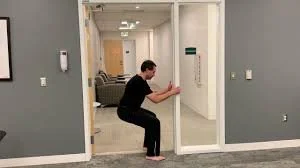

Squat (sometimes referred to as a Womb Squat). Work up to a full squat slowly. You may have to utilize a doorway for support at the beginning. Go slowly… there is no hurry. Do it daily until you can hold a full squat for one minute.
Squat & Reach. Having accomplished a full squat, you can add a reach overhead from the squat position. Do it slowly and breathe while reaching. Don’t hurry… just keep doing it daily for a minute or two.
Our joints are healthiest when moving through a range of motion. It only takes a couple of minutes daily to improve mobility (I’ll admit, for advanced mobility it takes many minutes a day). You’ll be glad you did
Power Law #2 (part 3)
February ‘25
“The real reason to exercise is to change your body's chemistry, not to burn a lot of calories.” ― Covert Bailey, The Ultimate Fit or Fat
We have proviously discussed the first two (2) parts of fitness… movement and strength. This month we will cover what is often referred to as “cardio,” or aerobic exercise (exercise USING OXYGEN to fuel muscles for a sustained period).
Aerobic exercise is crucial for long-term health, as it strengthens the heart and lungs, improves circulation, and enhances the body's ability to use oxygen. Consistent, rhythmic activity—such as walking, swimming, or cycling—burns calories, assists in weight management, and significantly lowers the risk of chronic diseases like diabetes, high blood pressure, and heart disease. It also boosts mental health, improves sleep, and increases overall stamina.
There are two (2) formulas to determine if you are exercising in the “Cardio Zone” (or “Zone 2”):
1. 220 – (Your Present Age) X 60-70% = Training Heart Rate Objective.
2. Karvonen Method: (Max HR - Resting HR) × 60-70% + Resting HR = Training Heart Rate Objective.
The Karvonen Method is more accurate, but not enough for most people to worry about.
Recommendations:
1. Calculate your desired training heart rate.
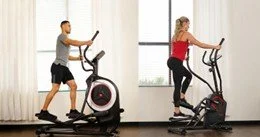
2. Utilize an activity that allows you to maintain, within a range, your target heart rate i.e. bicycling, jogging, elliptical, etc.
3. Train for twenty (20) minutes… 8 minutes to reach the target heart rate and 12 minutes to maintain it.
4. Perform 3—4 times per week.
Next, a subset of aerobic training is VO2 Max training. VO2 max is the maximum amount, or volume (V), of oxygen (O2) your body can use as a fuel source for exercise. VO₂ max requires maximal effort.
VO2 Training can be accomplished with shorter, 6-second sprints. You will need to adjust the recovery time to allow for true maximum effort on each rep:
1. Intensity: 100% all-out effort (cannot go longer than 10 seconds).
2. Duration: 6–10 seconds.
3. Recovery: 1–4 minutes of rest (allowing for full neuromuscular recovery).
4. Repetitions: 4–8 sets.
5. Once or twice per week (this can be done on the same day as “steady state” aerobic training).
While not exact, there is an at-home formula for calculating VO2 Max (a more exact measurement requires a lab with various tubes and wires)

Circumstantial Post… Weight loss
January ‘25
“When insulin is chronically elevated, more problems arise. Fat gain and ultimately obesity are merely one symptom of this condition, known as hyperinsulinemia.” – Peter Attia, M.D.
In the last few months, we have been discussing the power laws of health. We are presently on the four (4) parts of Power Law #2, BUT this month (January, ‘26) is often the time of New Year’s Resolutions, and a major resolution is to lose weight. So, I will digress for a short post on “weight loss.”
When we talk of weight loss, it would be more accurate to focus on fat loss… if you lost a leg, that would certainly reduce your body’s weight, but would not be an optimum outcome. When people diet they lose fat, but all too often they also lose lean body mass (muscle & bone). It is prudent to strive for fat loss while preserving muscle and bone.
"Fitness is 80% nutrition and 20% exercise. You can't outrun your fork"… is commonly stated, which is true… and untrue at the same time.
Here is what the “80% diet, 20% exercise” gets right:
Diet controls calories in (it’s much easier to not eat 500 calories than it is to burn 500 calories).
Most people overestimate calories burned during exercise.
Weight loss happens in a calorie deficit (and diet is the faster lever to pull).
Here is what the “80% diet, 20% exercise” gets wrong:
The body adapts to dieting by lowering its metabolism (exercise prevents this metabolic slowdown).
Strength training preserves muscle (which keeps your resting metabolism higher).
People who maintain weight loss long-term almost always exercise regularly.
Weight loss is ≈ 70-95% diet, which varies by person, especially how active you are.
A simple formula for losing weight is:
Get calories under control.
Prioritize whole foods and protein.
Add strength training 2-3 times per week.
Add walking daily.
We will cover diet (what to eat) in a later post. Next month (February, ‘26) we’ll return to the Power Laws (we will be on Part 3 of Power Law #2).
Power Law #2 (Part 2)
December ‘25
"Never in the history of human civilization has a 90-year-old said, ‘I wish I had less muscle’"
- Peter Attia, M.D.
Last month we began a presentation on exercise, listing the four (4) basic components of exercise… 1) general movement, 2) strength training, 3) cardio (VO2 max), and 4) mobility. Having covered general movement last month, we will now address strength training (also call resistance training).
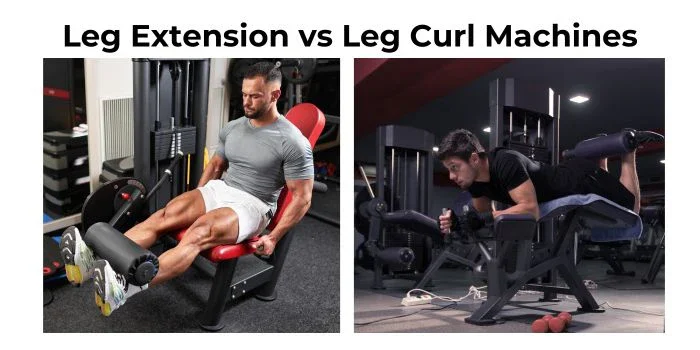
People lose 3-5% of their skeletal muscle mass per decade, and that muscle loss accelerates after the age of 60. However, this loss can be slowed, stopped, and sometimes reversed with regular, intelligent strenth training. To simplify this, we’ll lay out ten (10) steps to effective strength training.
#1 - Choose isolation exercises. This statement may be controversial, as many people suggest compound movements, such as squats, deadtlifts, etc. However, an individual muscle is worked more exactly, more completely when it is isolated. In addition, isolation exercises are safer.
#2 - Work each muscle, especially the antagonist (opposite) muscle). An example would be to work both the biceps AND the triceps.
#3 - Work each muscle through a full range of motion (no partial reps, unless they occur at the end of the movement when full reps are not possible as a result of fatigue).
#4 - Do not neglect the lower body. Working the thighs and butt are quite taxing, but these are the muscles that propel your body, and where older people have major issues.
#5 - Train 2-3 days per week.
#6 - Use a resistance you can do at least eight (8) repetitions. If you can do more than twelve (12) repetitions, increase the weight.
#7 - Train into discomfort. There is a difference between true pain (in which case stop) and extreme discomfort. We need to challenge the muscle, at least to some degree, to maintain or increase strength.
#8 - Train for 40-50 minutes. Over fifty (50) minutes the body releases cortisol (because of the stress of training), which becomes counterproductive (actually, once the workout begins, the body begins releasing cortisol, but becomes much greater after 40-50 minutes).
#9 - Set a daily target of 2/3 gram of protein per IDEAL pound of your body weight (we’ll discuss nutrtion for health later).
#10 - If you have any questions, find a knowledgeable person to assist you.
Health Tip: Make resistance training a regular part of your weekly schedule.
Power Law #2
November ‘25
“There is no such thing as a healthy sedentary person.” - Dr. Gabrielle Lyon

Last month we covered what, in my opinion, is the most important thing… sleep. This month is the second most important health practice… exercise.
There are several components to exercise, so for the next few months we’ll focus on each component. Just to give an overview, the items we’ll cover in the coming months will be 1) general movement, 2) strength training, 3) cardio (VO2 max), and 4) mobility.
When it comes to general movement, our bodies were not meant sit/lay constantly and still operate efficiently. There is the idea of getting 10,000 steps daily, which is a good idea, but not critical. When it comes to walking, major health benefits start around 6,000-8,000 steps. Studies show that 6,000-7,000 steps per day led to a large reduction in all-cause mortality in adults over 60, with benefits leveling off after 8,000-10,000 steps. Additionally, you get meaningful metabolic and cardiovascular benefits even at 4,000-6,000 steps. For every 1,000 steps, you get on average per day reduces your mortality by 10% to 15% (Dr. James O’Keefe).
Also, if you have a lifestyle that requires a considerable amount of time sitting (office worker, student, etc.), get up and move once an hour. Sit for fifty (50) minutes, then arise and walk around… get a drink, use the restroom, reach for the ceiling, all before returning to sitting.
Health Tip: Make regular, sufficient movement a part of your day… everyday.
Power Law #1
October ‘25

When it comes to health, the MOST IMPORTANT undertaking is sleep. No other activity (diet, exercise, supplements, etc.) is more important. Without the mental and physical regeneration that sleep provides, every other health activity is hindered.

Why:
There are four (4) stages of sleep, which cycle throughout the night.
Stage one (1), also known as N1, is the initial phase of sleep, is the lightest sleep where the heart rate and body temperature decrease.
Stage two (2), also known as N2, is a deeper light sleep, but still light sleep. During this stage, the brain waves slow down, with noticeable pauses between short bursts of electrical activity. It is thought that these bursts are the brain organizing memories and information from waking hours
Stage three (3), also known as N3, is deep sleep. This is the stage where the body performs cellular repair and regeneration, which includes bones, muscles, tissues, and the immune system. It is in deep sleep that physical healing, tissue growth, and restoration occur, which also involves growth hormone production and immune-strengthening chemicals.
Stage four (4), also known as REM (Rapid Eye Movement), is the time of dreams. This stage is important for brain function, consolidating memories, and facilitating brain development. Muscle function is mostly paralyzed to prevent acting out dreams, with the focus on mental rest and processing, not physical regeneration.
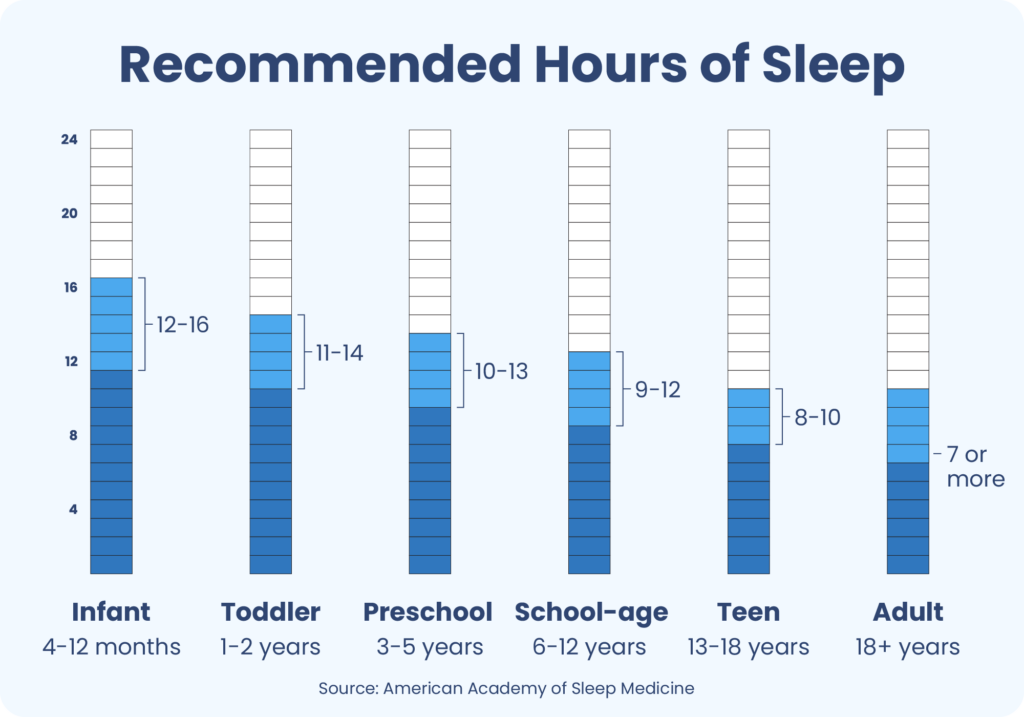
How:
Establish a regular sleep and arise time, and needs to be the same all seven (7) days of the week.
Finish eating at least two (2) hours before bed-time (even more is better).
Avoid television and bright lights sixty (60) minutes before bed.
Release the tensions and worry of the day (it is often helpful to write down issues to deal with. Getting them on paper is helpful in getting them out of your mind).
Health Tip: Make sleep a major priority in your life… period!
What to do with your idea
September ‘25

Last month we discussed how it all starts with an idea… the idea to focus on maximum health. An idea needs action to become a tangible outcome.
action
noun /ˈæk.ʃən/ the process of doing something, especially when dealing with a problem or difficulty
When it comes to action, we must answer two (2) questions to effectively proceed. 1) What actions to take (we will cover those starting next month) and 2) how best to proceed.
When determining how to take action, it is helpful to understand that we have a finite amount of willpower that becomes depleted as it’s used (as articulated in the book “Willpower” by Roy Baumeister). Since we don’t have an infinite supply of willpower, it is helpful to apply POWER LAWS when choosing activities to perform.
The power law formula is a mathematical relationship between two quantities, often represented as y = a * x^k, where 'y' is the dependent variable, 'x' is the independent variable, 'a' is a constant representing the scaling of the relationship, and 'k' is the exponent or power that determines how quickly 'y' changes in relation to 'x' (I just put this paragraph in for fun 😊).
A better way to describe it, in a power-law distribution, the largest entity is typically bigger, more valuable, or more powerful than all others combined. The second-largest is likewise bigger than the total of all those after it, and so on.
Also, in a power-law distribution, the top 20% of the entities typically hold 80% of the value or power. This is known as the “80/20 rule,” or the “Pareto Principle,” after Vilfredo Pareto.
Health tip: Since we have a limited amount of willpower at any one time, and since some health activities are more important than other activities, it is best to implement only one or two high level activities (based on the power laws) and leave other activities for later (or never). £
It all begins with an idea
August ‘25

i·de·a /īˈdēə/
noun
a thought or suggestion as to a possible course of action.
the aim or purpose.
There is an old-time expression that says “You’ve got to get the notion if you’re going to get to Goshen.’
Goshen is the Biblical reference to a place of blessing, success, safety, or fulfillment, and the saying is basically that you have to want something or make up your mind before you can achieve it or get there.
When it comes to health, most people have not made up their mind to achieve optimal health… they just don’t want to be sick.
“Health is a state of complete physical, mental and social well-being and not merely the absence of disease or infirmity.” - World Health Organization (WHO)
Health status is actually on a continuum, as illustrated by the graph at the beginning of this page.
Health Tip: Get the idea to align the actions of your life with health optimizing activities (those activities will be enumerated in the following months).